
Published March 20, 2025
Austin's Best School Districts: A Real Estate Perspective

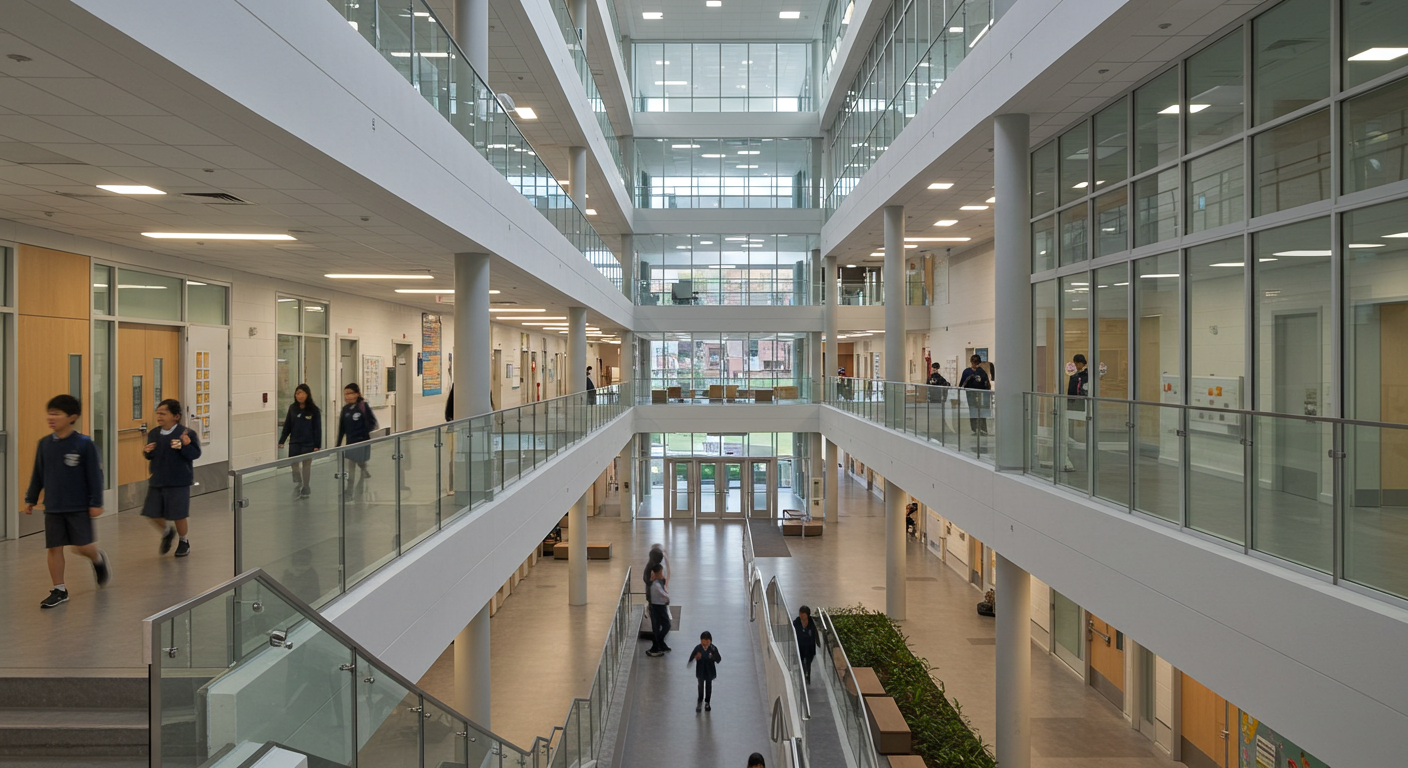
Austin's Best School Districts: A Real Estate Perspective
Education remains one of the most significant factors driving real estate decisions for families relocating to or within Austin. Understanding the relationship between school quality and property values is essential for both homebuyers and investors in our dynamic market.
School District Ranking Impact on Home Prices
The correlation between highly-rated schools and property values in Austin is unmistakable, with premium pricing directly tied to educational quality.
Top-Performing Austin School Districts and Their Premium Pricing
Austin's highest-performing school districts consistently command significant price premiums compared to neighboring areas with lower-rated schools. Current data shows:
- Eanes ISD: Properties in this district command a 25-35% premium over comparable homes in adjacent districts. With an "A" rating from the Texas Education Agency and some of the highest standardized test scores in the state, Eanes ISD (particularly Westlake High School's attendance zone) remains Austin's gold standard for public education.
- Lake Travis ISD: Homes in this western district typically sell for 18-22% more than similar properties in nearby areas. The combination of lake proximity and excellent schools creates a powerful value proposition for both residents and investors.
- Round Rock ISD: Northern areas served by this district's highest-performing schools (particularly those feeding into Westwood High School) command 15-20% premiums over comparable homes in nearby districts.
- Leander ISD: Fast-growing northwestern communities in this district show 12-18% price premiums, with particularly strong demand in areas served by Vandegrift High School and its feeder schools.
- Austin ISD: While performance varies significantly across this large district, homes zoned to high-performing schools like Anderson High School or the Liberal Arts and Science Academy (LASA) typically command 15-25% premiums over comparable AISD properties zoned to lower-performing schools.
The Data Behind Education-Driven Home Values
Recent market analysis reveals measurable impacts of school quality on Austin real estate:
- Sale Price Correlation: Each 10-point increase in a school's standardized test scores correlates with approximately 4-6% higher home prices in that attendance zone.
- Days on Market: Properties in Austin's top-rated school districts typically sell 30-40% faster than the metro area average.
- Recession Resistance: During market downturns, homes in top school districts typically retain 5-8% more of their value than properties in average or below-average districts.
- Appreciation Rates: Over the past decade, properties in Austin's highest-rated school districts have appreciated 12-15% faster than the regional average.
Specific Neighborhood Examples
The impact of school quality is particularly evident when comparing similar neighborhoods assigned to different schools:
- Northwest Austin: Homes in the Anderson High School zone typically command $75,000-$100,000 premiums over nearly identical properties just a few blocks away in the Burnet Middle School and Anderson Middle School zones.
- Cedar Park/Leander: Properties zoned for Vandegrift High School typically sell for 15-20% more than similar homes assigned to Leander High School.
- Central Austin: Within Austin ISD, homes in the prestigious LASA magnet school zone command significant premiums, though the specialized application process means this premium isn't as straightforward as neighborhood-based school zones.
To learn more about specific school zones and their impact on your home buying or selling decisions, contact Byrne Real Estate Group for a personalized consultation.
Private versus Public School Accessibility
Austin's diverse educational landscape includes exceptional public and private options, with distinct implications for real estate decisions.
Public School Excellence: Location-Dependent Value
Access to Austin's highest-performing public schools is inherently tied to residence, creating clear geographic value distinctions:
- Attendance Zone Boundaries: Even minor boundary adjustments can significantly impact property values. Recent rezonings in Northwest Austin resulted in 8-12% property value shifts within a single year.
- Transfer Policies: Austin ISD and surrounding districts have increasingly restricted transfer options, making residence within desired attendance zones more valuable than in previous decades.
- Program Access: Specialized programs like AISD's Liberal Arts and Science Academy or Round Rock ISD's International Baccalaureate programs create value micromarkets around eligible feeder schools.
Private School Proximity and Real Estate Values
While private school attendance isn't geographically restricted, proximity remains a significant value driver:
- St. Andrew's Episcopal School: Properties within a 2-mile radius of either campus (31st Street and Southwest Parkway locations) command 5-8% premiums specifically attributed to convenient access.
- St. Stephen's Episcopal School: Homes near this prestigious West Austin institution typically sell more quickly than comparable properties further from campus, particularly in the $1M+ market segment.
- St. Michael's Catholic Academy: Properties in designated carpool zones near this Westlake-area school see measurable value increases, with proximity convenience frequently mentioned in purchase decisions.
- Austin Waldorf School: Southwest Austin properties near this unique educational option appeal to specific buyer segments willing to pay premiums for proximity.
Hybrid Educational Approaches and Real Estate Implications
The growing popularity of hybrid educational models creates new real estate considerations:
- Charter School Access: Properties near highly-rated charter schools like Harmony Science Academy or BASIS Austin see increasing demand, though without the same premium level as established public schools.
- Homeschool-Friendly Communities: Neighborhoods with active homeschool cooperatives and amenities supporting alternative education are creating new niche markets, particularly in outer-ring suburbs.
- Microschool Emergence: The post-pandemic rise of microschools and learning pods has created value clusters around these small educational communities in neighborhoods like Travis Heights, Crestview, and parts of South Austin.
Investment Potential in Top School Zones
Beyond personal educational considerations, Austin's top school districts represent strategic investment opportunities.
Long-Term Appreciation Patterns
Historical data reveals consistent investment advantages in top educational areas:
- Sustained Growth: Properties in Austin's highest-rated school zones have demonstrated 1.2-1.5x the appreciation rate of the broader market over 10+ year periods.
- Rental Premium Potential: Single-family homes in top school districts command 15-25% higher rental rates than comparable properties in average school zones, with significantly lower vacancy rates.
- Economic Downturn Protection: During previous market corrections, properties in Austin's top school districts experienced 30-40% less value decrease than the metro average.
Strategic Investment Approaches
Smart investors leverage school quality data in multiple ways:
- Border Properties: Homes just inside desirable school zones but bordering less desirable districts often represent the best value-to-appreciation potential.
- Emerging Excellence: Identifying schools with rapidly improving performance metrics often precedes broader market recognition of value increases.
- School Construction Timing: Property values typically increase 12-18 months before a new high-quality school opens, making early investment critical.
- District Expansion Patterns: Understanding where growing districts like Leander ISD and Lake Travis ISD plan future schools allows investors to position ahead of value increases.
Investment Case Studies
Recent Austin market examples demonstrate education-driven investment success:
- Cedar Park/Leander Growth: Investors who purchased properties in the Vandegrift High School zone during its early development phase (2010-2015) have seen average appreciation of 95% versus 65% in adjacent areas.
- Mueller Development: Early investors in this planned community gained significant advantage through Austin ISD's decision to locate the highly-rated Bertha Sadler Means Young Women's Leadership Academy nearby.
- Del Valle Opportunity: Current investments near the new Del Valle High School and Tesla's gigafactory represent similar strategic positioning ahead of educational improvements and corresponding value increases.
Future Educational Development Impacts
Forward-looking educational trends will significantly influence Austin's real estate landscape over the next decade.
Planned School Developments and Value Projections
New educational facilities already in planning stages will reshape value patterns:
- Leander ISD: The district's planned high school #7 in the western corridor is expected to drive 10-15% value increases in its attendance zone once boundaries are finalized in 2026.
- Dripping Springs ISD: The planned third middle school and eventual second high school will likely stabilize recent dramatic price increases while spreading premium values across a wider geographic area.
- Manor ISD: Significant investment in new facilities and curricular improvements positions this formerly overlooked district for potential value growth, particularly in areas bordering Austin's eastern edge.
Educational Program Innovations
Beyond physical facilities, programmatic changes influence market dynamics:
- STEM/STEAM Focus: Schools with enhanced science, technology, engineering, arts, and mathematics programs are seeing accelerated demand premiums, particularly in tech-employee-heavy neighborhoods.
- Dual Language Programs: Properties in attendance zones with established dual-language programs command 5-8% premiums among specific buyer demographics.
- Career-Technical Pathways: High schools developing direct industry partnerships (like Del Valle's Tesla partnership or Anderson's medical field connections) are creating new value considerations beyond traditional academic metrics.
Demographic Shifts and Educational Priorities
Austin's changing population is reshaping educational priorities and related property values:
- Tech Industry Influx: Tech-sector employees from California, Washington, and Northeast states typically prioritize schools with strong STEM programs and high college placement rates.
- International Buyer Influence: Austin's growing international buyer segment places particularly high value on schools with strong academic metrics and diverse international populations.
- Work-From-Home Implications: The rise of remote work has expanded geographic consideration for many families, benefiting formerly overlooked areas with strong schools but longer commutes.
District Boundary and Policy Changes
Administrative changes can rapidly impact property values:
- Rezoning Risk Assessment: Properties in rapidly growing areas face higher rezoning risks, potentially affecting future values.
- Transfer Policy Evolution: Districts increasingly restricting transfer options make in-boundary residence more valuable.
- Specialized Program Expansion: The location of new magnet programs or specialized academies can rapidly shift value patterns across attendance zones.
Conclusion: Educational Excellence as a Real Estate Investment Foundation
Austin's strong connection between educational quality and property values creates both opportunities and complexities for homebuyers and investors. Understanding both current educational landscapes and future development patterns is essential for making informed real estate decisions.
The most successful property investments in education-driven markets typically involve:
- Deep research beyond published rankings to understand program quality and future trajectories
- Forward-looking analysis of district growth patterns and facility development plans
- Demographic awareness of how population shifts influence educational priorities
- Long-term perspective that values educational stability and excellence over short-term market fluctuations
Working with a knowledgeable real estate team that understands Austin's education-driven market can help you navigate this complex landscape and make informed decisions about one of the most significant factors in long-term property values.
To learn more about finding your ideal property in Austin's top school districts, contact the Byrne Real Estate Group for personalized guidance.


