
Published March 10, 2025
Native Plants for Austin Home Landscaping


Native Plants for Austin Home Landscaping
Creating a beautiful, sustainable landscape with native plants is one of the best decisions you can make for your Austin home. Here's a comprehensive guide to help you design a thriving native landscape:
Texas Native Plant Selection
Native plants have evolved in our local climate and soil conditions, making them naturally drought-tolerant and low-maintenance once established. Some excellent choices for Austin include:
- Trees: Texas Mountain Laurel, Mexican Redbud, Live Oak, Cedar Elm
- Shrubs: Agarita, Yaupon Holly, Cenizo (Texas Sage), Flame Acanthus
- Perennials: Blackfoot Daisy, Gregg's Mistflower, Autumn Sage, Rock Rose
- Grasses: Little Bluestem, Lindheimer Muhly, Gulf Muhly, Sideoats Grama
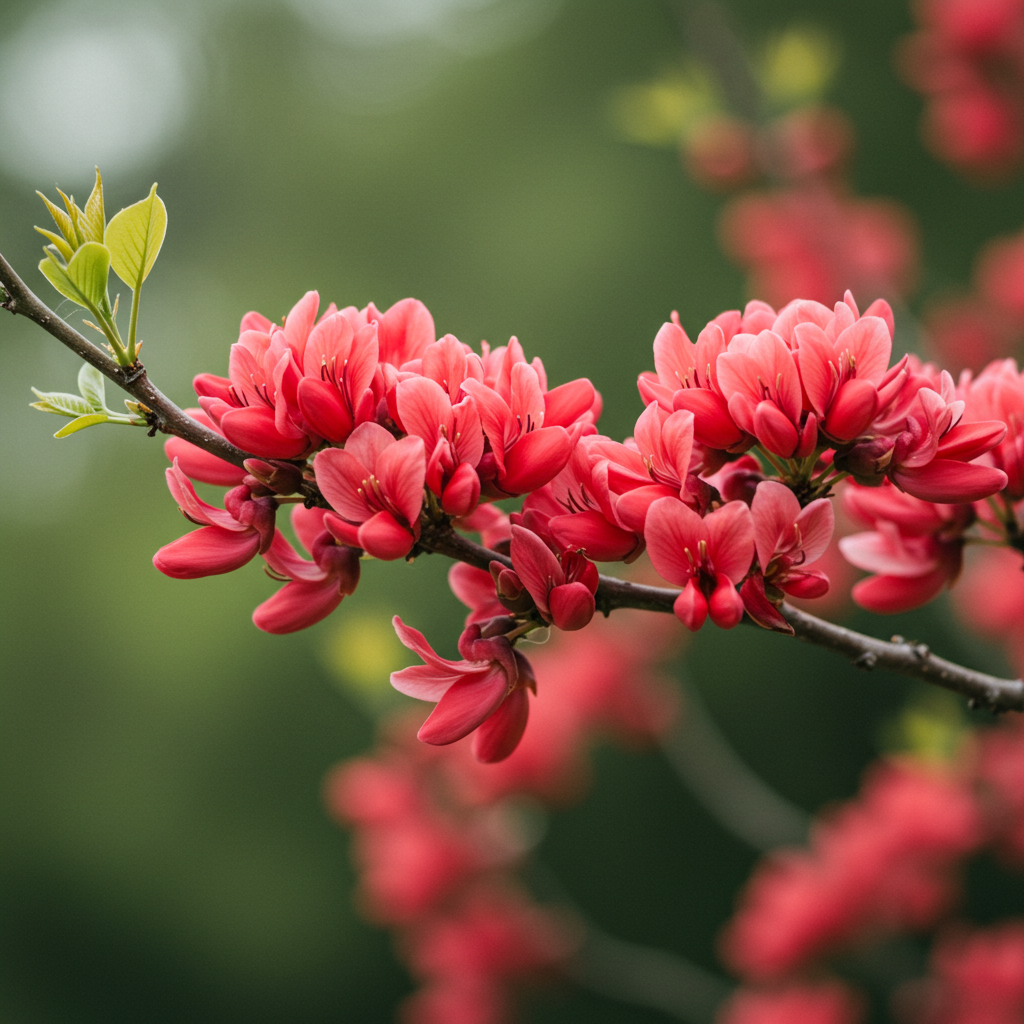
Planning for Year-Round Blooms
A well-designed native landscape provides continuous visual interest across seasons:
- Spring: Texas Bluebonnets, Pink Evening Primrose, Wine Cup, Columbine
- Summer: Zexmenia, Black-eyed Susan, Turk's Cap, Mealy Blue Sage
- Fall: Fall Aster, Goldenrod, Maximilian Sunflower, Rock Rose
- Winter: Agarita, Evergreen shrubs, ornamental grasses with winter interest
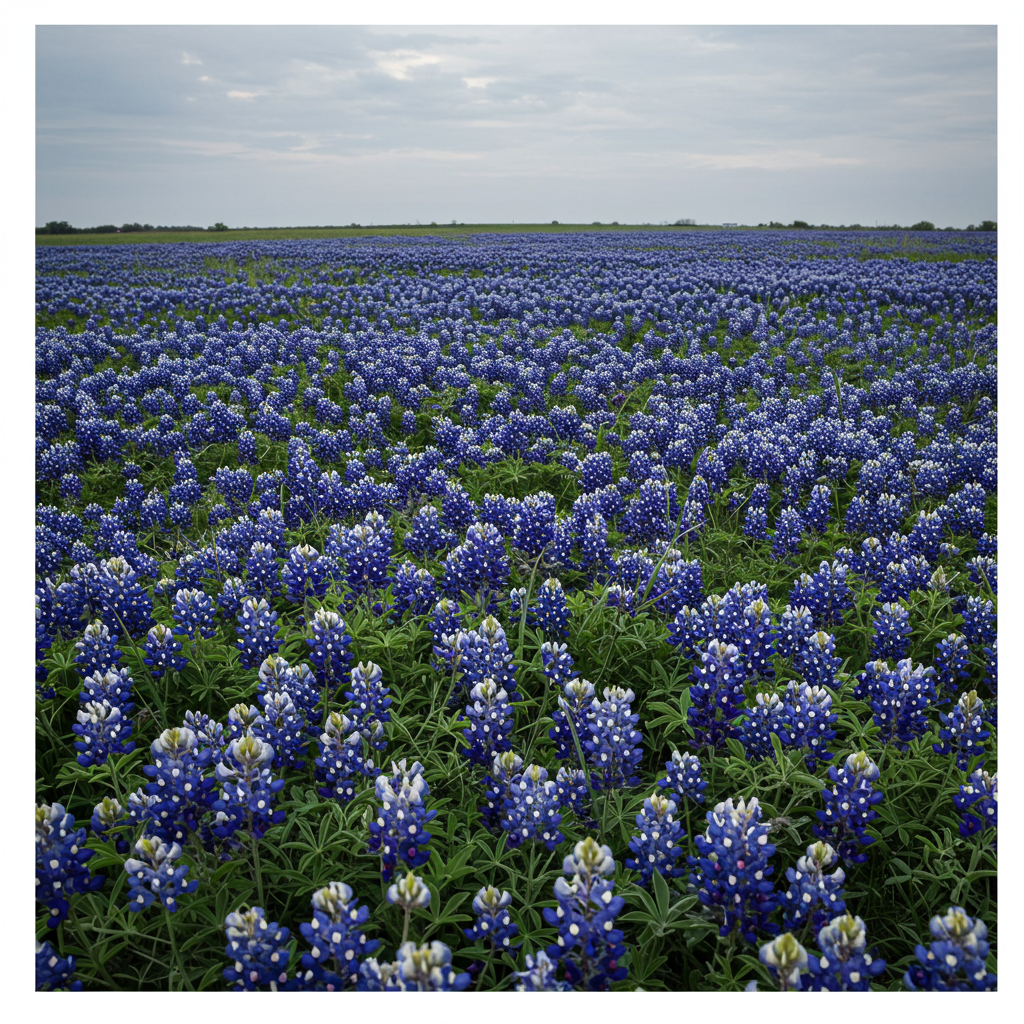
Wildlife Attraction Strategies
Native plants support local ecosystems by providing food and habitat for wildlife:
- Butterfly Garden: Plant Gregg's Mistflower, Antelope Horns, and Flame Acanthus to attract monarchs and other butterflies
- Bird-Friendly Landscape: Include Texas Persimmon, Yaupon Holly, and Possumhaw for berry-producing plants that birds love
- Pollinator Support: Integrate Salvia, Lantana, and Echinacea to support local bee populations
Soil Preparation Techniques
Central Texas soils vary widely, but most Austin gardens benefit from:
- Conducting a soil test before planting to understand pH and nutrient levels
- Adding compost to improve soil structure and water retention
- Using mulch to maintain soil moisture and suppress weeds
- Avoiding excessive tilling which can disrupt beneficial soil organisms
Water Conservation in Austin Landscapes
With Austin's frequent drought conditions, water conservation is essential:
- Group plants with similar water needs together (hydrozoning)
- Install efficient drip irrigation systems rather than sprinklers
- Capture rainwater with rain barrels or rain gardens
- Use 2-3 inches of mulch to reduce evaporation and runoff
Native Landscaping and Real Estate Value
Investing in native landscaping can significantly enhance your property's value and appeal:
- Increased Property Value: Well-designed native landscapes can increase home values by 5-11% according to recent Austin market analysis
- Reduced Maintenance Costs: Native plants typically require less water, fertilizer, and general upkeep
- Curb Appeal: Distinctive native plant designs create memorable first impressions for potential buyers
- Energy Savings: Strategic placement of native trees and shrubs can reduce cooling costs by up to 30%
- Marketing Advantage: "Drought-resistant," "low-maintenance," and "eco-friendly" are highly attractive selling points in the competitive Austin real estate market
Austin Neighborhoods Known for Native Landscaping
Several Austin neighborhoods are renowned for embracing native landscaping:
- Mueller: Community guidelines encourage sustainable landscaping practices
- Bouldin Creek: Many historic properties feature mature native plant gardens
- Circle C Ranch: Extensive use of native plants in common areas and residential properties
- Travis Heights: Growing trend of converting traditional lawns to native gardens
Helpful Resources
- Lady Bird Johnson Wildflower Center: wildflower.org
- Native Plant Society of Texas: npsot.org
- Travis County Master Gardeners: tcmastergardeners.org
- Instagram: @WildflowerCenter, @AustinNativeLandscapes
- Austin Grow Green: austintexas.gov/growgreen


